
Scientifically Grounded. Clinically Validated. Ready for Research.
EBSC is based on neurobiological foundations and has been validated with over 1,000 patients in clinical practice. We invite research partners to collaboratively advance and scientifically investigate the method.
Two Scientific Foundations, One Integrated Method
EBSC (Emotion-Based Self-Competence) combines two scientifically grounded approaches into a coherent system:
1. The Self-Competence Model (Five Elements)
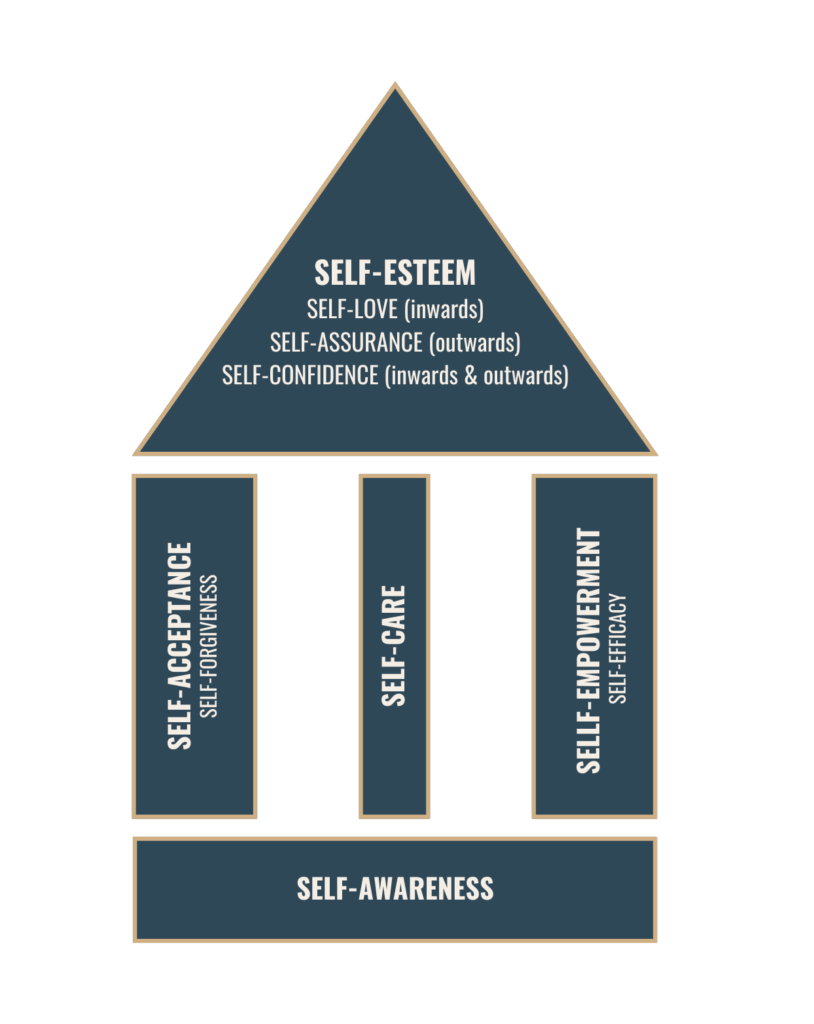
The Self-Competence Model structures work on the Self into five essential elements:
- Self-Awareness (Foundation): The ability to consciously perceive one's own
- Self-Acceptance (Supporting Wall): The capacity to accept oneself with all facets
- Self-Empowerment (Supporting Wall): Taking responsibility for one's own life
- Self-Care (Support): Actively caring for one's own well-being
- Self-Esteem (Roof): Developing a stable sense of self-worth
This structure was developed and refined over years in clinical practice with more than 1,000 patients.
2. The Two Basic Emotions Theory (Love-Fear Polarity)
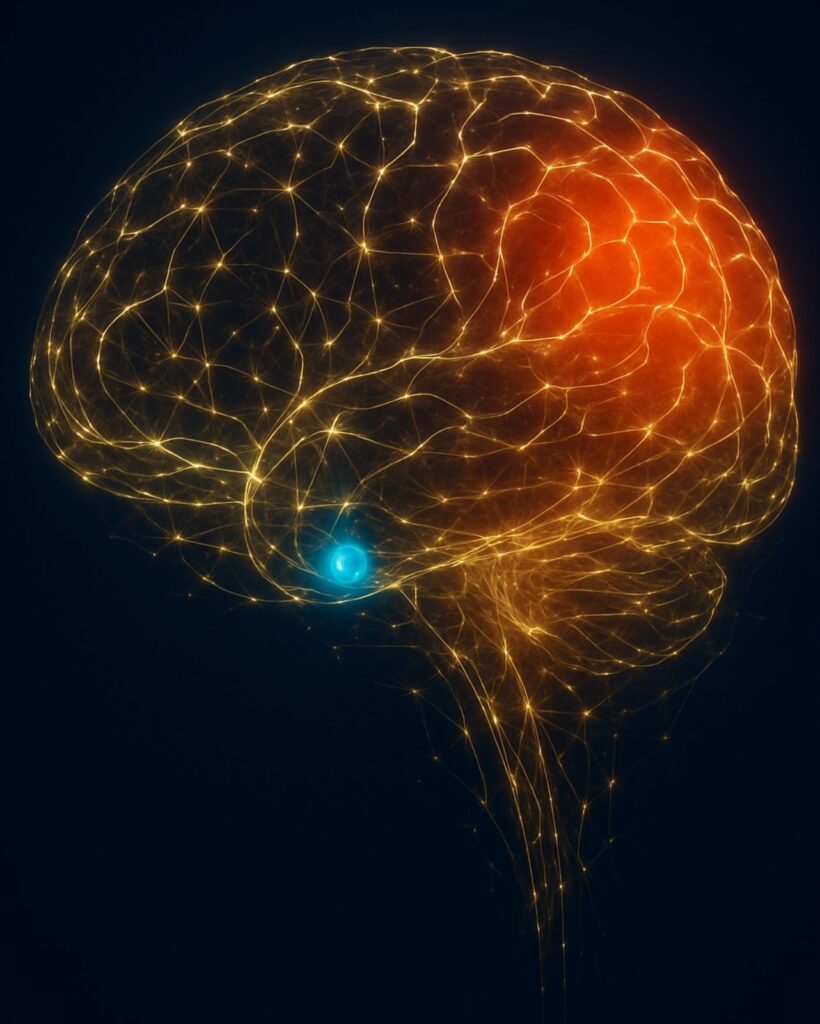
Neurobiological research shows that all human emotions are based on two fundamental systems:
LOVE System (Approach System)
- Neurobiology: Dopaminergic, Oxytocin System
- Emotions: Joy, Trust, Curiosity, Gratitude
- Effect: Opening, Connection, Growth
FEAR System (Avoidance System)
- Neurobiology: Amygdala, Stress Hormones, Fight-or-Flight
- Emotions: Fear, Anger, Sadness, Shame
- Effect: Protection, Contraction, Avoidance
The Integration: EBSC as a Holistic Method
EBSC uses the Love-Fear polarity as an emotional orientation axis and works systematically with the five Self-Competence elements. This enables:
- Precise Diagnosis: Where does a person currently stand on the Love-Fear axis
- Targeted Intervention: Over 80 specific interventions for each combination
- Measurable Development: Clear orientation for therapy and development processes
The result is a method that unites therapeutic depth with preventive applicability.
The EBSC Professional Handbook: Scientific Foundation and Practice Guide
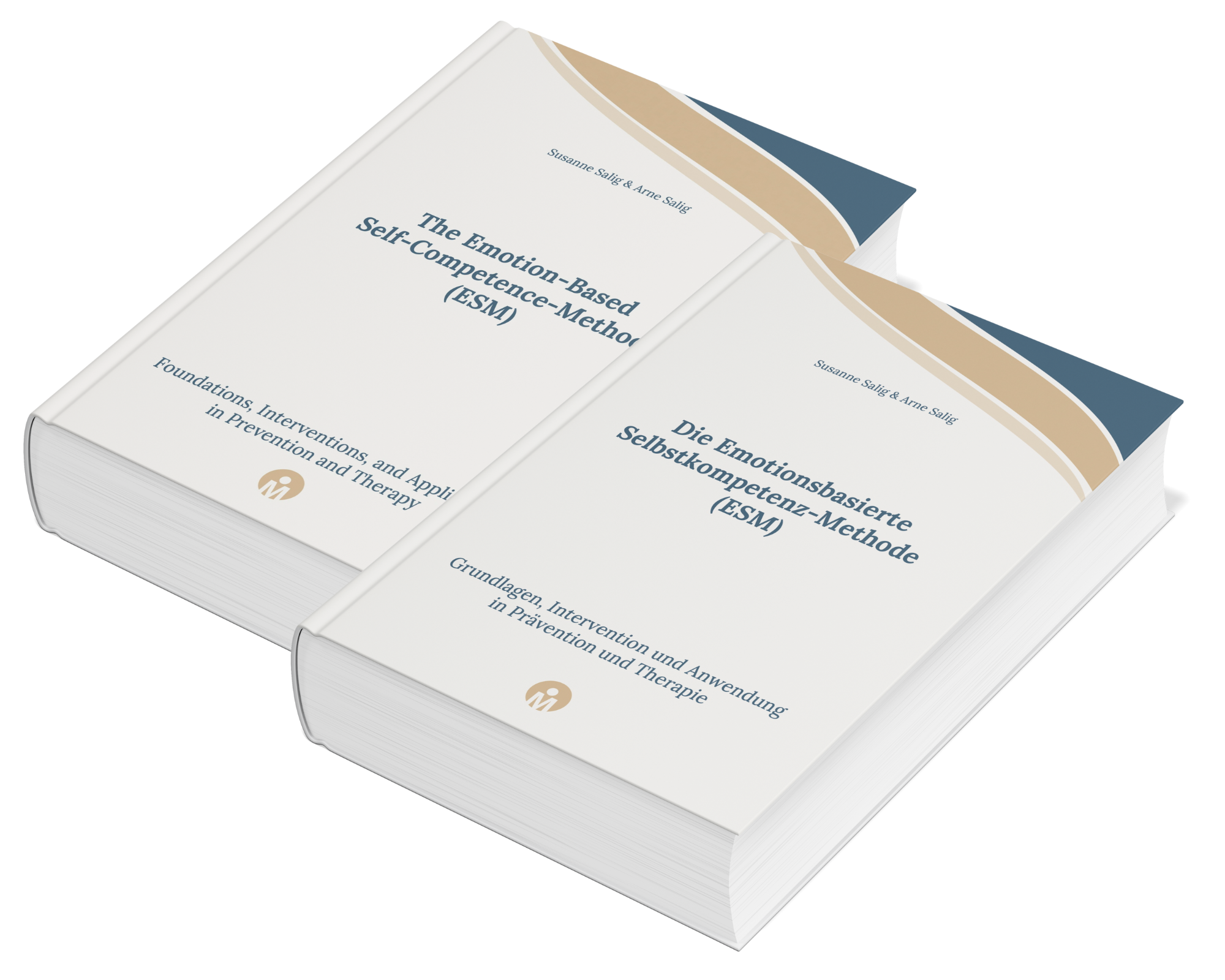
The Emotion-Based Self-Competence Method (ESM): Foundations, Intervention and Application in Prevention and Therapy
Publication Date: January 2026
Publisher: Shaker Verlag (academic publishing house)
Languages: German and English
Scope: Approx. 300 pages
Content (Brief Overview)
The Professional Handbook offers a comprehensive presentation of EBSC (in the current edition, EBSC is still abbreviated as ESM):

Theoretical Foundations:
Neurobiology, developmental history, scientific grounding
The Method Model:
Detailed description of the five Self-Competence elements and the Love-Fear polarity
Interventions:
Over 80 field-tested techniques for therapy and counseling
Application Areas:
From prevention to psychotherapy to organizational contexts
Case Studies:
Concrete applications from clinical practice
Research Outlook:
Current studies and future validation projects

Research EBSC Together
We invite universities, research institutes, clinics, and scientific institutions to collaborate. Possible research areas:
Clinical Validation
- Efficacy studies in various therapeutic settings
- Comparative studies with established methods
- Long-term studies on sustainable effects
Neurobiological Research
- fMRI studies on the Love-Fear polarity
- Hormonal markers (Oxytocin, Cortisol)
- Neuroplasticity through EBSC interventions
Preventive Application
- Effectiveness in burnout prevention
- Use in workplace health promotion
- Resilience development in various populations
Digital Implementation
- Effectiveness of the App (from mid-2026)
- Digitally supported EBSC interventions
- Scalability of preventive approaches
Benefits for Research Partners
✅ Access to structured, field-tested method
✅ Comprehensive method documentation (handbook as foundation)
✅ Co-publication in scientific journals
✅ Network with other EBSC research projects
✅ Access to EBSC-trained therapists for studies
Interested in Scientific Collaboration?
Whether you're planning a study, want to use EBSC in teaching, or are seeking research collaborations – we look forward to connecting with you.